
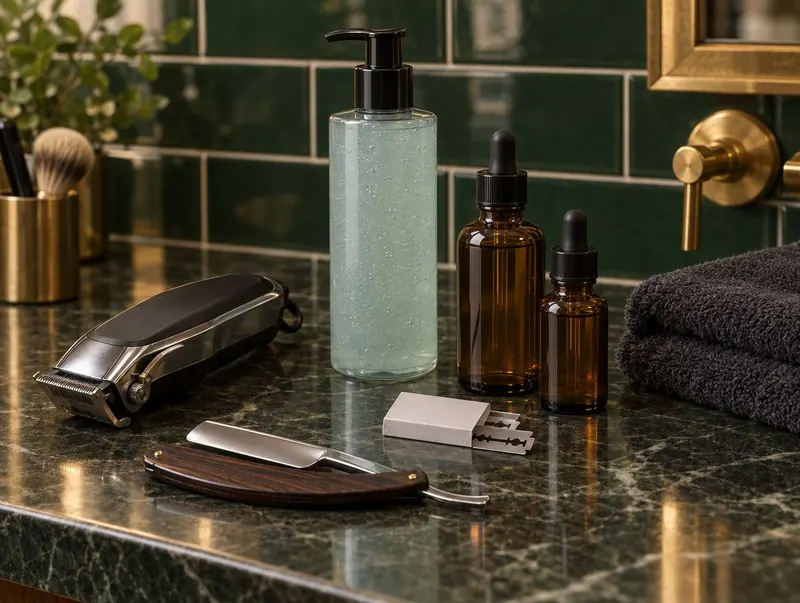
Group the list by the job each item does.
| Group | Items to consider | Question before buying |
|---|---|---|
| Working stations | Chairs, mirrors, counters, storage | Does the room leave enough working space? |
| Cutting tools | Clippers, trimmers, guards, scissors, combs | Can you get suitable spares and servicing? |
| Customer and cleaning supplies | Capes, towels, approved cleaning products, waste containers | What do your local requirements and product instructions call for? |
| Comfort and utilities | Lighting, ventilation, seating, water-related fittings | What works in the premises you are actually renting? |
| Opening consumables | Products used during services and any retail stock | How much will you use before the next delivery? |
| Business setup | Booking device, connection, signage, service menu | Which items are already available? |
This is a buying checklist, not a hygiene or premises-compliance specification. Confirm the requirements for your services and location and follow the manufacturer’s instructions for equipment and cleaning products.
Use the planning workbook to keep quantities, unit prices and quote notes together. It has a separate place for the costs that continue after opening.
Ask for a quote you can compare.
A quoted chair price means little until you know the model, condition, delivery cost and what happens if it develops a fault. Compare the same specification, not just the first large number in the advert.
- What exactly is included, and what must be bought separately?
- Is the item new or used, and can you inspect or demonstrate it?
- Are delivery, assembly and installation included?
- What warranty or return terms are provided in writing?
- Are replacement parts available, and who services the item?
- Is the quote still valid when you expect to pay?
For used equipment, inspect the working condition rather than relying on a clean photograph. A cheaper item that needs repair before the first customer arrives changes both your cost and opening schedule.
Why there is no single equipment price list here.
Product specifications, condition and supplier terms change the price. This guide does not present unverified prices as current Kenyan quotes, and KinyoziHQ does not sell chairs or clippers.
Instead, the startup guide gives a clearly labelled example of a complete budget. Replace its equipment allowances with itemised quotes, then add the premises commitment, registration and county requirements, and operating reserve.
Keep your opening date realistic. A made-to-order fitting or a delayed repair can leave you paying for premises before you can use them.
Buy for the first services you will actually deliver.
Start from your service menu. Each service should have the necessary tools, supplies, space and trained person available. Delay a service if the full setup is not ready rather than buying an item simply because it looks good in the room.
Leave cash for ordinary operating needs. Two well-planned stations and enough working capital may suit your plan better than filling the room with equipment before there are customers for it. Check that decision against your own numbers rather than treating a larger setup as automatically better.
Keep a record when the equipment arrives.
Save the receipt, supplier details, model, serial number where relevant, warranty terms and date received. Note where the item is kept and any maintenance instructions you need to follow.
Keep consumables and retail items on a separate stock list. They move differently from equipment: a jar sold to a customer is stock leaving through a sale, while a clipper remains a tool used for many services.
Use the business-plan template to bring the buying list back to the wider plan. The guide library also covers staff pay and the records to prepare before opening.
Once the room is ready, organise the day.
KinyoziHQ handles bookings, payments, staff and stock records. Use a demo to plan that side of the shop before the first busy weekend.
Explore the software